AUTOMOTIVE ELECTRICAL SYSTEMS, COMPONENTS AND CIRCUITS: TESTING AND REPAIRS.
The Automobile works with mechanical and electrical systems in order to perform it desire functions. The electrical system in the automobile is a very vital and complex system that controls basically all components and systems in the automobile.
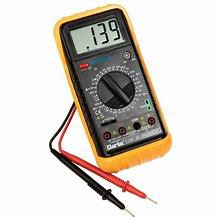
There are two major types of energy required to power the automobile or vehicle which are mechanical energy and electrical energy, therefore possessing adequate knowledge of electrical systems, components and circuits is mandatory for an automotive engineer.
The electrical systems and components in vehicles do change as technology evolves; for a 1970 vehicle the electrical system would be very basic; containing a few wires, fuses, switches and components. But in a 2020 vehicle the electrical systems would have thousands of wires, complex electronics units and modules, hundreds of fuses, hundreds of electrical and electronics components and complex circuits.
ELECTRICAL SYSTEMS IN THE VEHICLE
There are various electrical systems in the vehicles but basic ones include:
Charging system.
Battery.
Ignition system.
Fuel system.
Cooling system.
Motor electronics.
Exhaust system.
Electronic Control Unit (ECU).
Lightings.
Dashboard.
Fuses and relay boxes.
Air conditioning system.
Heater.
Sound system.
Airbag system.
Electronic brake
Wiper.
Sensors.
Windshield and glass.
Seats.
Doors and locks.
Suspension.
Alarms.
Actuators.
Telecommunication system.
Computerized signal acquisition modules.
Control modules.
 ASORO AUTOMOBILE TECHNOLOGY